
Woodcarving School Geisler-Moroder
Published on: August 15, 2023
Reading time: 6 minutes

Hello everyone, and welcome back to the blog — or welcome if you’re new! Today I’d like to tempt you with a slightly different holiday idea. If you’re looking for a special vacation, one that combines nature, wellbeing, and woodcarving, you should definitely consider visiting the Geisler-Moroder carving school in Austria!
The area
Austria is a small European Union country located in Central Europe. It has no coastline, but it’s rich in beautiful lakes and stunning mountains. Vienna is its capital and is full of history and vibrant city life.
Moving away from the big cities, you can explore its many valleys filled with natural beauty. Today I want to tell you about one valley in particular: the Lech Valley, where a hidden gem awaits — a village called Elbigenalp, known as the homeland of woodcarvers.
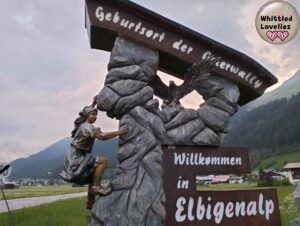
This valley is neither particularly wealthy nor especially well known compared to other, more famous ones. For this very reason, many years ago — roughly after World War II — the government decided to help the local inhabitants, who were mainly engaged in farming and ranching, find a new source of income.
A quick look around is enough to realize that one of the area’s greatest resources comes from the land itself: wood. Endless forests of larch, fir, pine, and stone pine dominate the landscape.
The history of the Geisler-Moroder Woodcarving school
It is in Elbigenalp, in the Lech Valley, Tyrol, that the first state school of woodcarving and woodworking was established. Rudolf Geisler-Moroder, one of the region’s leading sculptors, became the school’s first director — a role he held for the next 33 years.
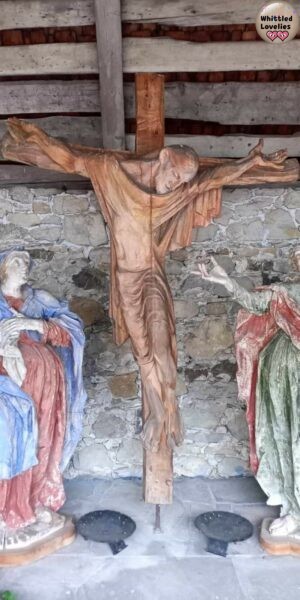
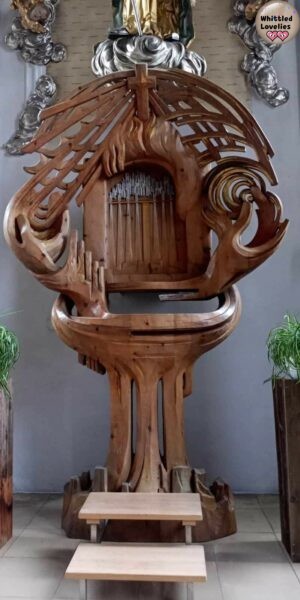
In the village’s main church in Elbigenalp (Reutte district), some of his works can still be seen today, including the altar and the statue of Christ on the Cross — beautifully carved and remarkably well preserved despite the passing of time.
The state’s intention was to create an opportunity for a profitable activity that could be carried out during the long winters, when traditional agricultural work was not possible.
By training new sculptors, a large variety of carved objects could be produced and made available for sale to tourists through souvenir shops across the Austrian Alps, helping to boost the valley’s economy.
With the first graduating sculptors, mainly sacred figures — the most in demand — began to be produced on a large scale. Gradually, statues depicting everyday life, farmers, ranchers, and animals were also introduced.
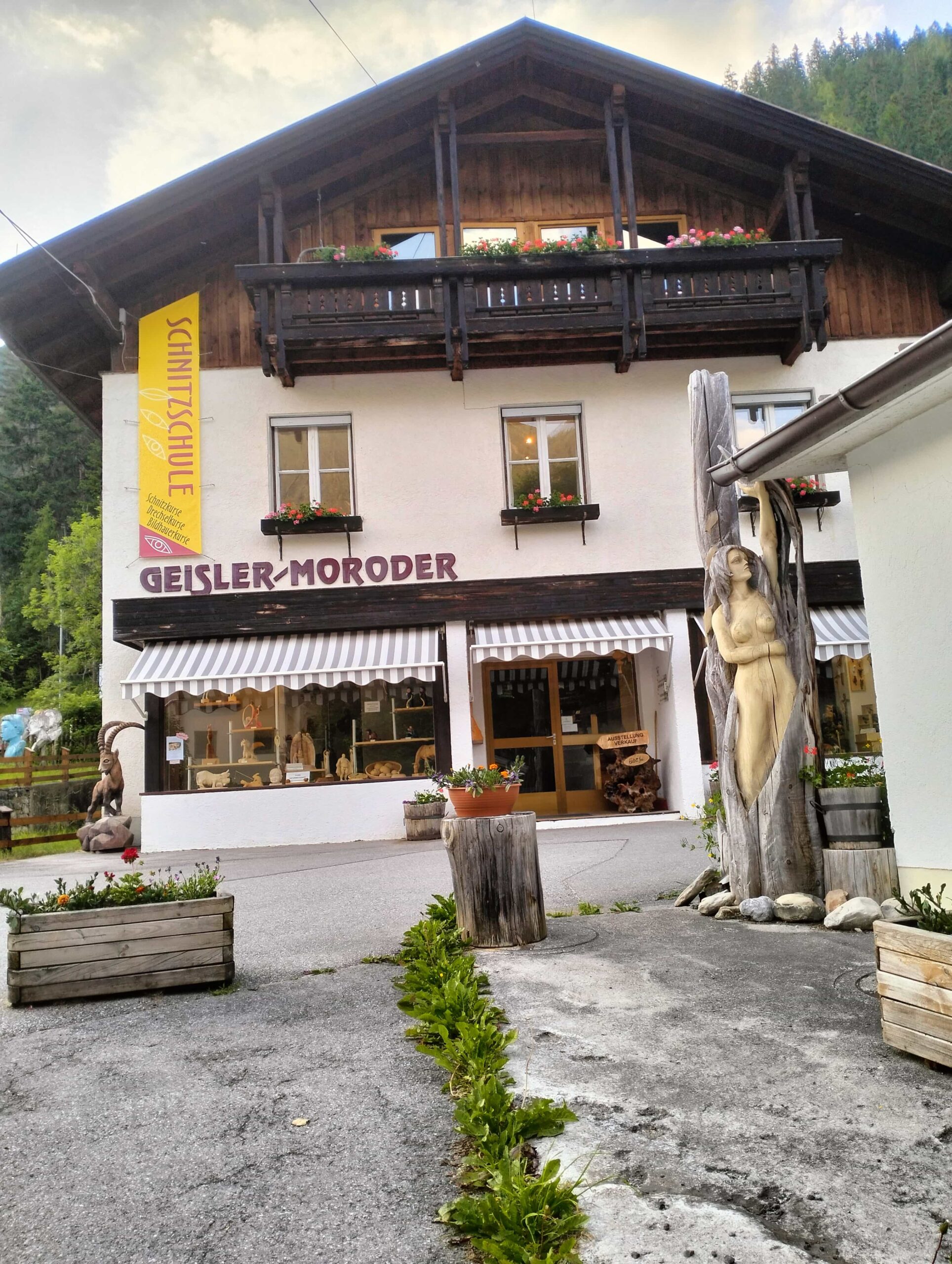
Because the idea was revolutionary and promising, the need soon arose to build new spaces where woodworkers could gather and begin a fairly large-scale production of wooden statues, which sold easily — even though the prices were not affordable for everyone — to the many tourists who started visiting the valley.
So Rudolf began construction of the company’s new workshops, Holzbildhauerei Geisler-Moroder, where at least 35 woodcarvers from across the valley were permanently employed.
Around the 1980s, a slow crisis began. Rudolf’s son, Martin, decided to transform the operation into a true — but private — school, open not only to children up to the age of 18, as in the state school, but primarily to adults.
How the woodcarving school works
And this is where I’d like to take you. This school, Geisler-Moroder, is the holy grail of woodcarving. But it’s not just Tyrolean carving: there are chainsaw carving courses, every other variety of woodcarving, stone carving, color courses, modeling, drawing, and of course both theory and hands-on practice.
A truly complete school! Every Thursday morning there’s also a very interesting guided tour where the many activities offered are explained. You can see all the machinery and the various statues used as models.
The school system is based on the fact that many people come here on vacation and want to combine pleasure with learning, so you can take one-day courses, weekend courses, or programs lasting one or more weeks.
Outdoor activities are also organized in the surrounding area for people who come with their families and for those who aren’t interested in attending the school courses. In practice, one person can participate while the rest of the family enjoys other activities or visits.
There are also course options for younger children, including a summer camping session — a kind of nature retreat to help them connect with other kids, with nature, and with wood.
People from all over the world come here to take part in the classes. The easiest option is to book a room directly at the facility — they offer very beautiful, spacious rooms — and also make use of the convenient on-site restaurant.
Learning Tyrolean woodcarving
You’ll receive hands-on lessons directly from teachers who are professional woodcarvers. Classes are limited to a maximum of 8 people, ensuring each student gets full attention from the instructor.
What I found particularly interesting is that knife carving, since it isn’t typical of the area, is not taught here. The instructors teach what they practice every day: carving with gouges and chisels, exactly as Tyrolean tradition dictates.
Here they don’t speak of whittlers or woodcarvers, but of Holzbildhauer and Schnitzmeister. The former are wood artists who create and carve their own subjects. The latter are those who learn by reproducing a master figure.
And if after your courses you’ve grown attached to a particular tool or machine, no problem — you’ll also have the chance to purchase them at the well-stocked shop inside the facility.
You decide what to do!
At this woodcarving school, once you arrive, you can also decide what you’d like to focus on. Or you can be helped to understand your skill level and learn exactly what you want — for example, carving only faces, or feet and hands.
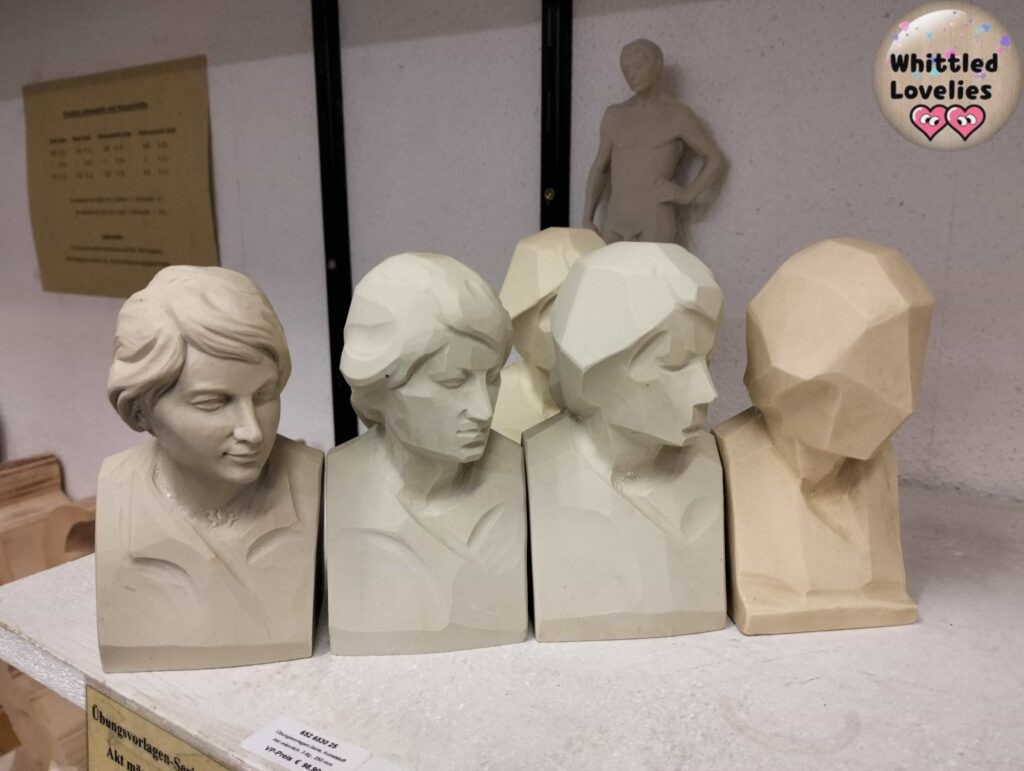
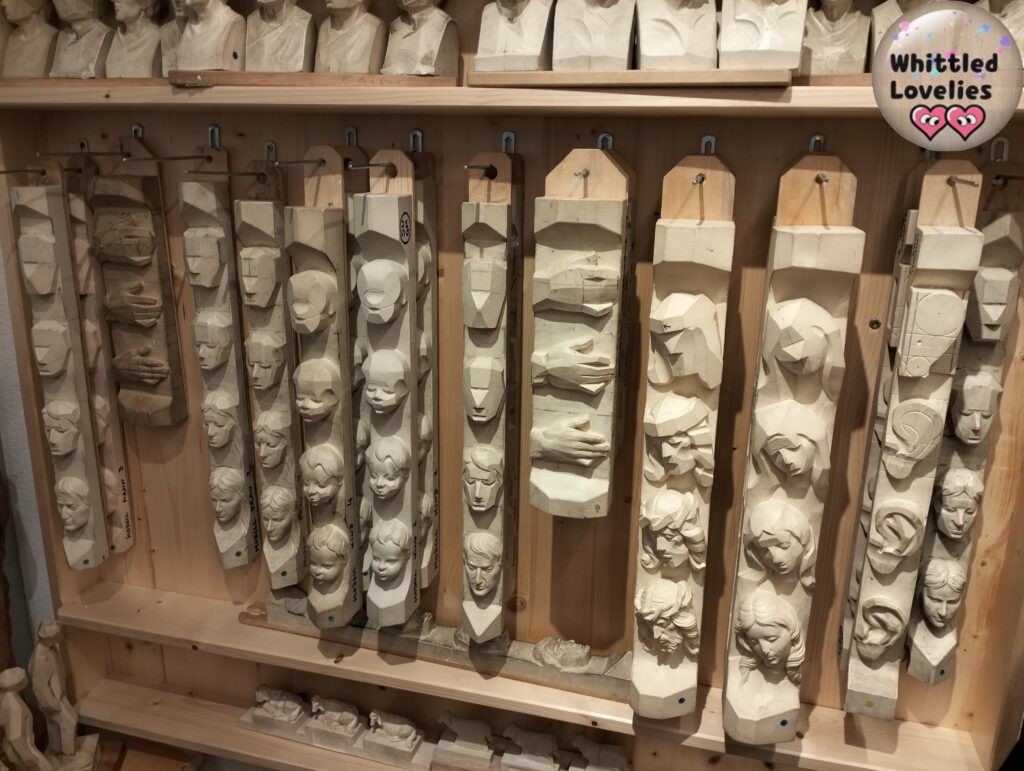
There are countless model statues covering a wide range of subjects, from traditional religious themes to animals and people. Each model is rated from level 0 to 6 based on execution difficulty, so you can start even if you have absolutely no experience in woodcarving.
Many people feel more comfortable beginning by following a model and repeating it until they achieve perfection. Others, instead, prefer to develop their own ideas and designs — here, with master carvers and tools of every kind available, everything becomes much easier.
Stephan and his sister are the current heirs of the Geisler-Moroder woodcarving school and are always available to help with any questions, either in person at the school or online: [email protected], https://www.woodcarvingschool.com.
Wood and vacation
If you don’t feel ready to start your own journey yet and are simply someone who loves this art, this valley still offers plenty to enjoy. Almost every village has an important wood sculpture shop, usually well stocked with many different varieties.
Then there’s every house, each with something simple and charming in its garden — and everything is kept with great care and attention.
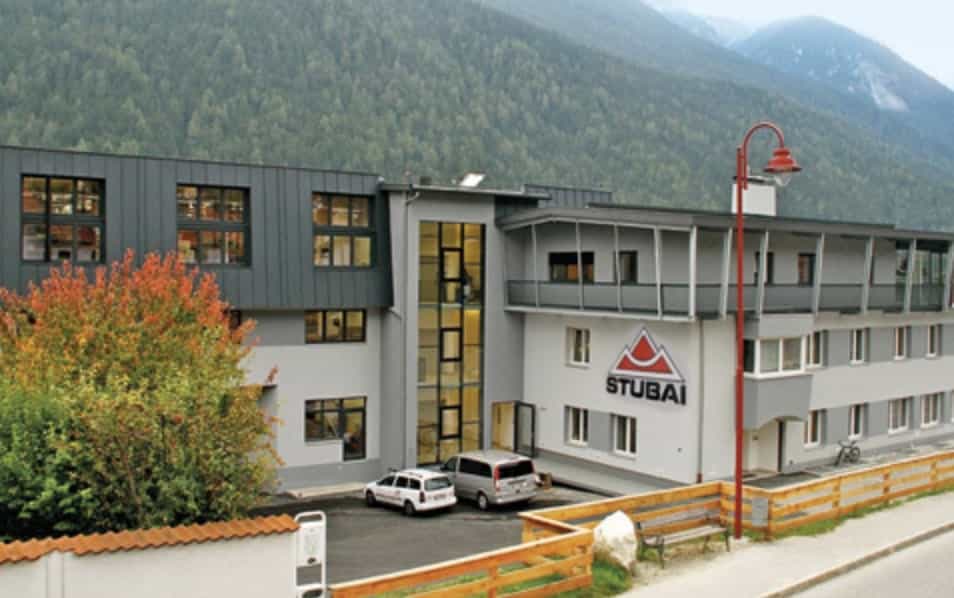
You might also consider a trip to a nearby valley, starting from Innsbruck — the Stubai Valley — where you can visit the factory of the same name, where knives and large quantities of carving chisels and gouges are produced.

Not to mention that the vast, open green spaces are perfect for enjoying walking, trekking, and mountain biking.
And if the articles “Wood carving in the Aosta Valley: Mont Fallere Refuge”, “The gnome path: discovering the Maira Valley”, and “Geocaching & Woodcarving” have inspired you enough — and you’ve decided that this year you want to take action — this is the place for you!
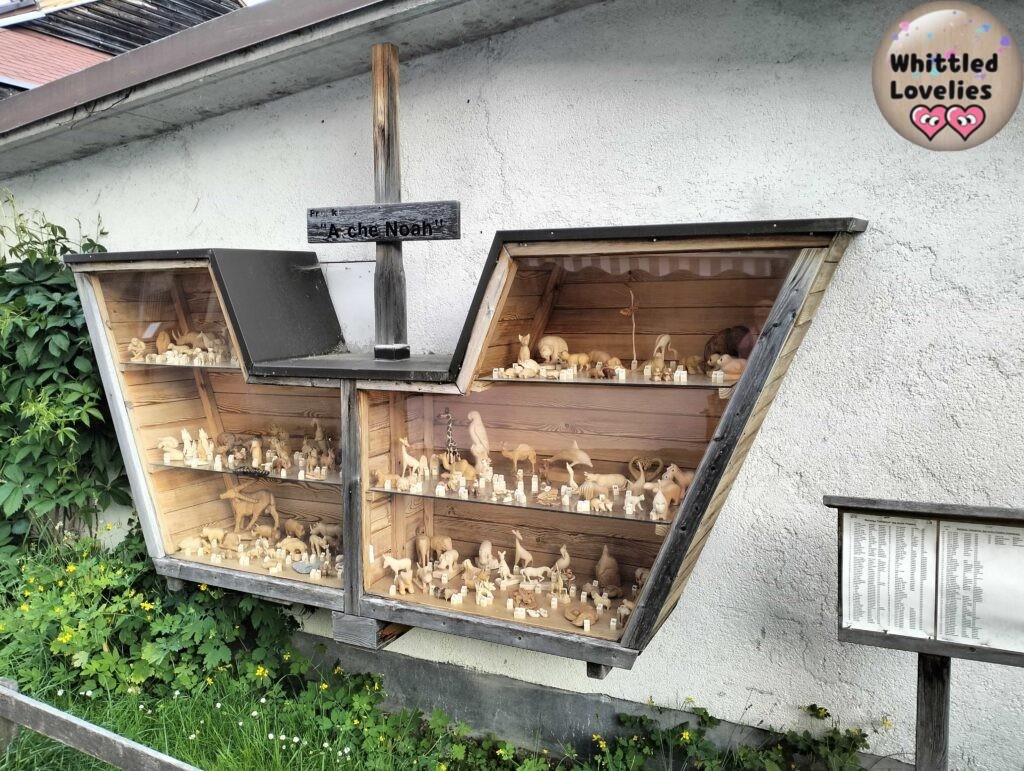
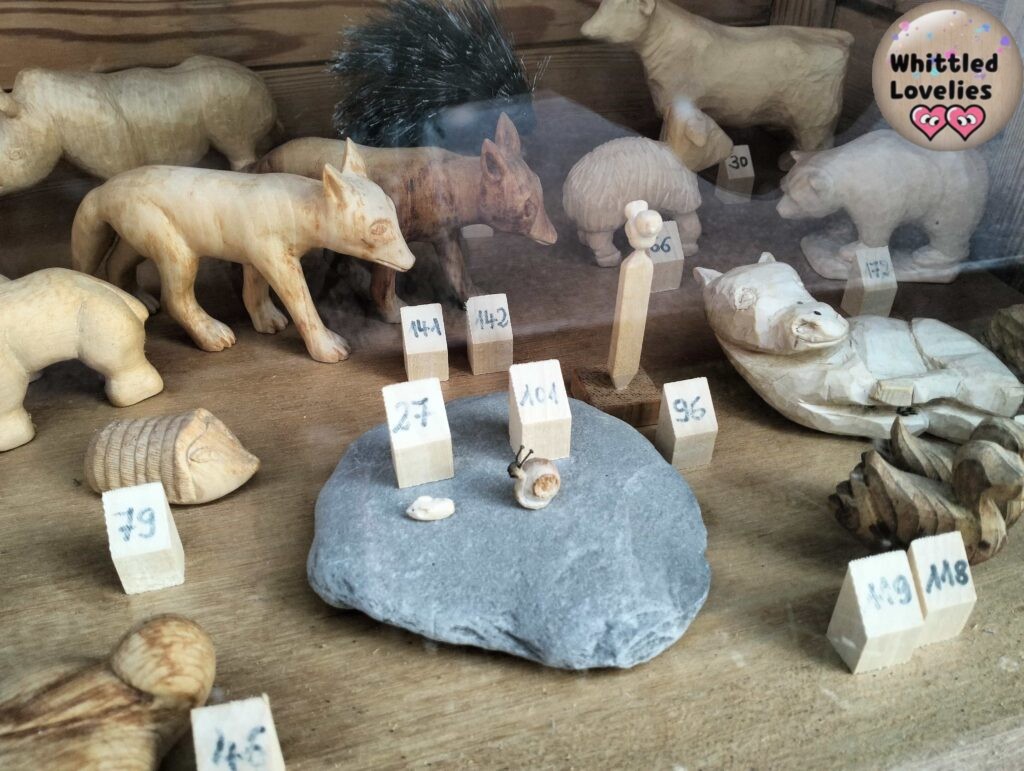
Maybe one day your best piece will be displayed here, in the Ark — the showcase for small creations made by students of woodcarving schools from all over the world!! Happy holidays everyone! 😘🤗
This is an article written by a human for humans!
All articles in the blog are written by me. No contributors, no people paid to write content for me.
Posts written by guests or friends of the blog are marked under the title with the words “guest post.” These are friendly collaborations, contributions to the carving community.
No AI (artificial intelligence) support is employed in the writing of blog articles, and all content is made with the intent to please humans, not search engines.
Do you like my content?
Maybe you can consider a donation in support of the blog!

Click on the button or on the link Ko-fi to access a secure payment method and confidently offer me coffee or whatever you want!
From time to time, in my articles, you’ll find underlined words or buttons with the 🛒 symbol. These are links that lead to further insights, or affiliate links to selected products that I use or would personally choose for the same kind of project I’m talking about.
The price for you stays the same, but by purchasing through these links you help me grow the blog and keep sharing the world of wood in a free and independent way. 💛
I’m a wood carver that lives in Florida I would love to see more. do you have online classes
Hi, thanks for your interest! In the article you can find the website and email address of the school, you can write directly to them and ask any info you want. On their site you will find all the information you can and lots of photos to see in detail all the courses they do!